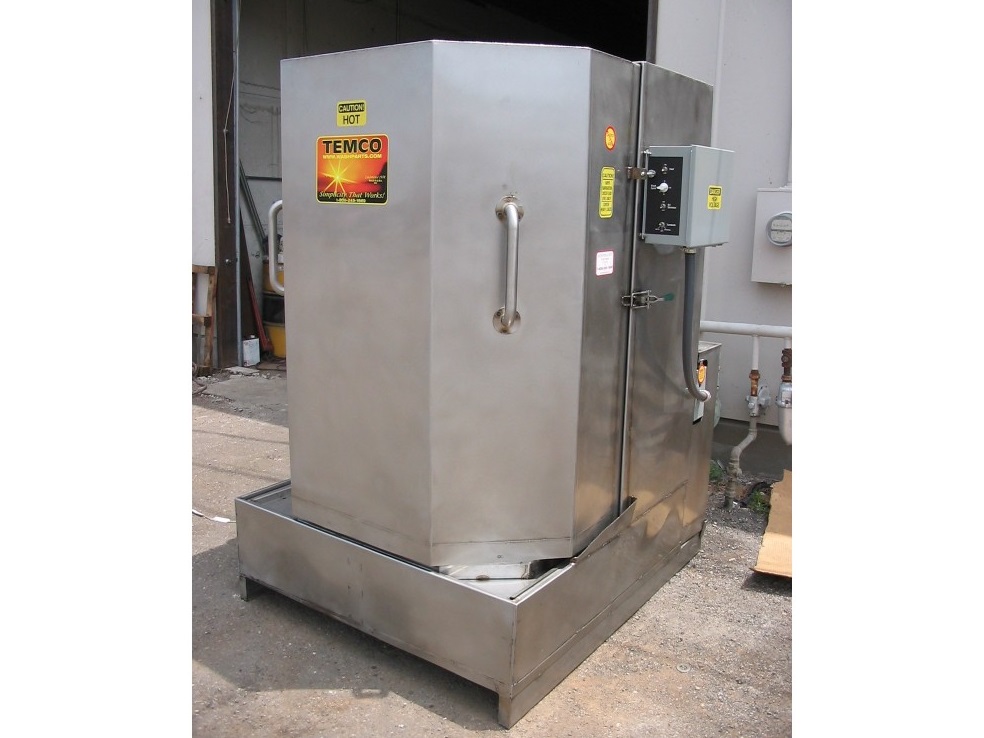
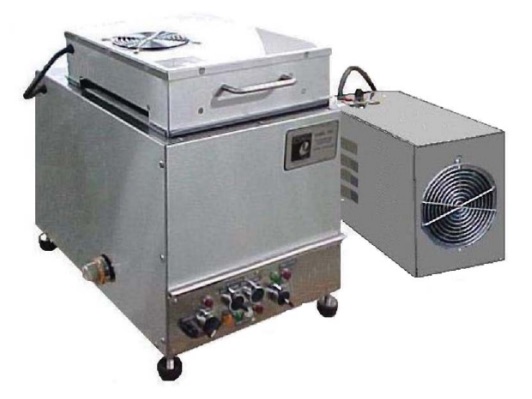
Drum washers are an industrial cleaning system made solely to clean the inside and outside parts of drums. Industrial drums are mainly used for the storage and shipment of various substances such as grease, ink, adhesives, paint, foods, dyes, and even hard-to-remove residues such as dried paint or cured resins. Read More…
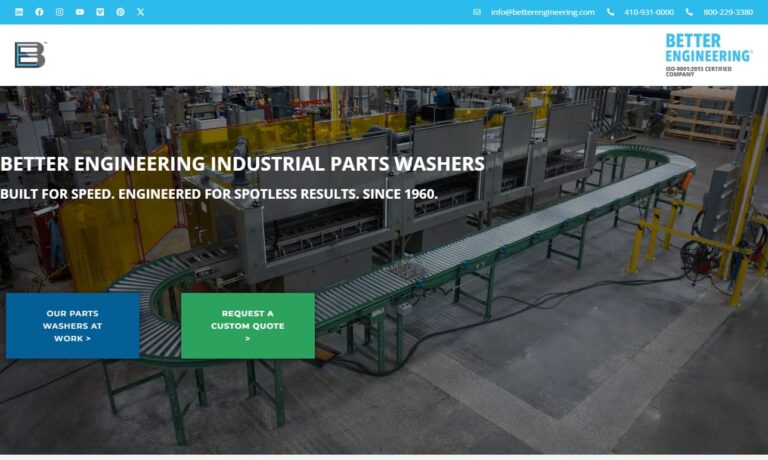
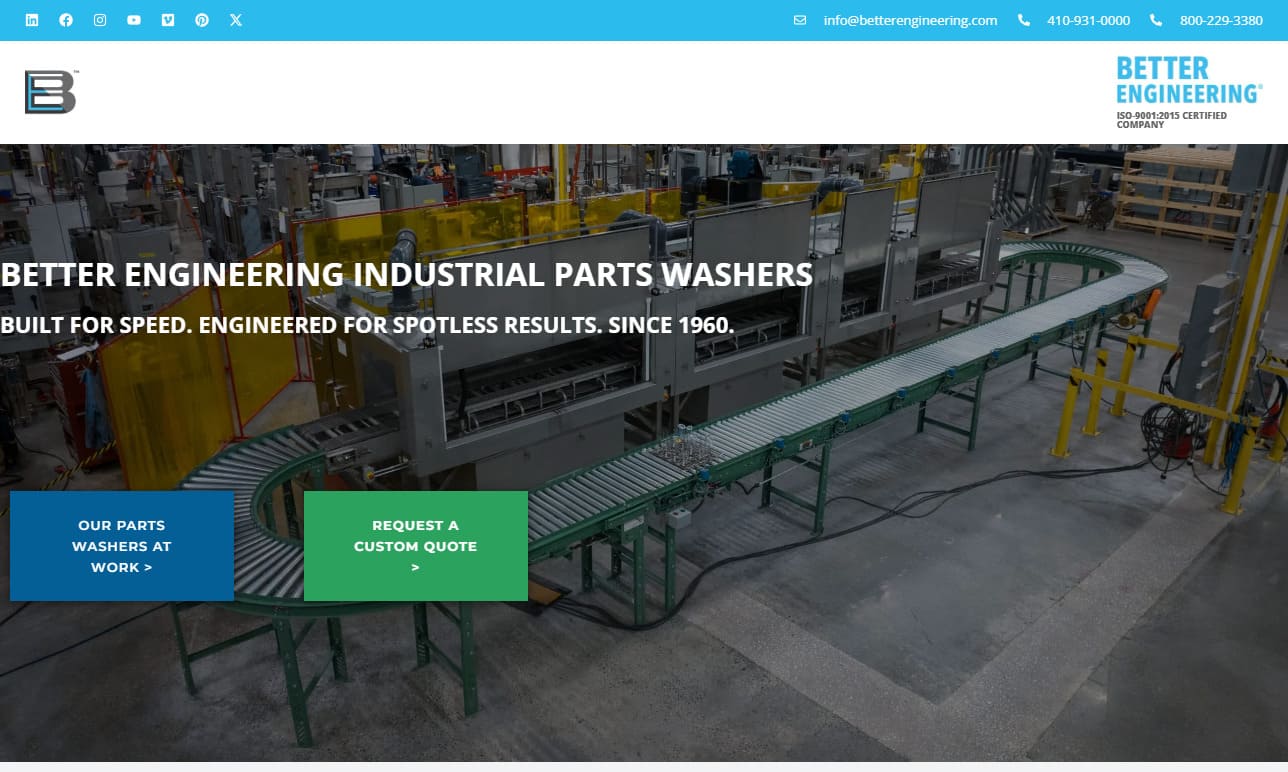
We are Better Engineering, and we specialize in designing and manufacturing high-performance parts washers and precision cleaning systems that support demanding industrial production environments. Our focus is on delivering reliable, repeatable cleaning solutions that remove oils, chips, coolants, and contaminants from metal and machined components while preserving dimensional accuracy and...
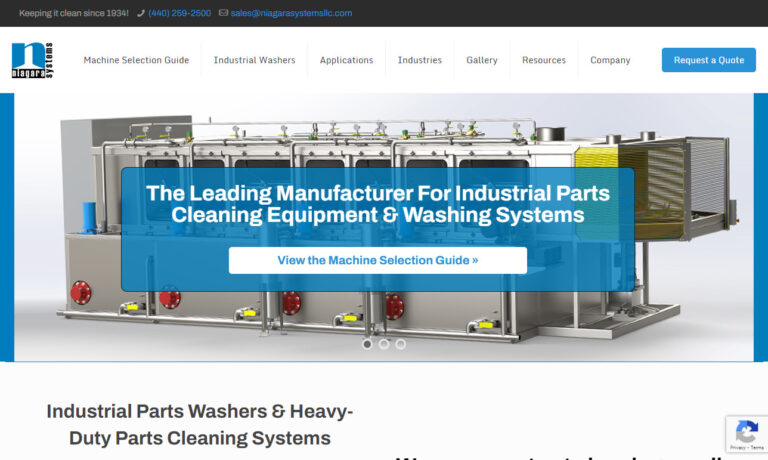
Niagara Systems LLC has offered turnkey custom parts washing systems for over 80 years. With our customization capabilities, our parts washing systems stand out from the competition.
Great Lakes Finishing Equipment, Inc. specializes in supplying parts washers for even the most demanding cleaning jobs. Equipment includes table washers, drum washers, aqueous rotary baskets, aqueous belt washing systems, & more. Let our parts washing specialists assist you with your specific washing applications. Contact us today for all of your parts washer needs.
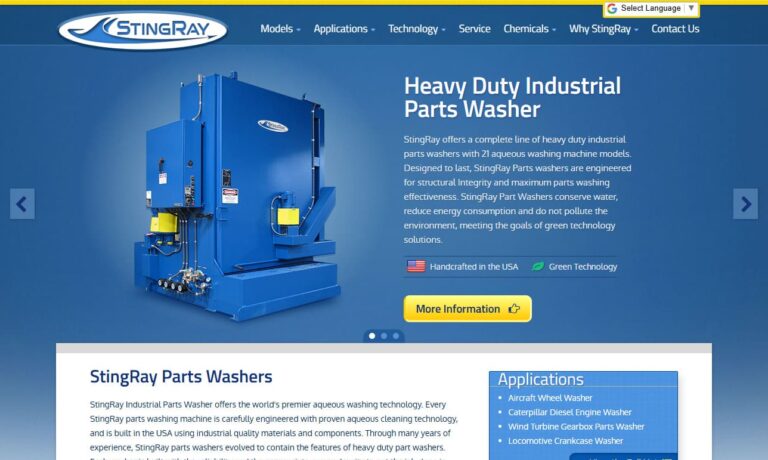
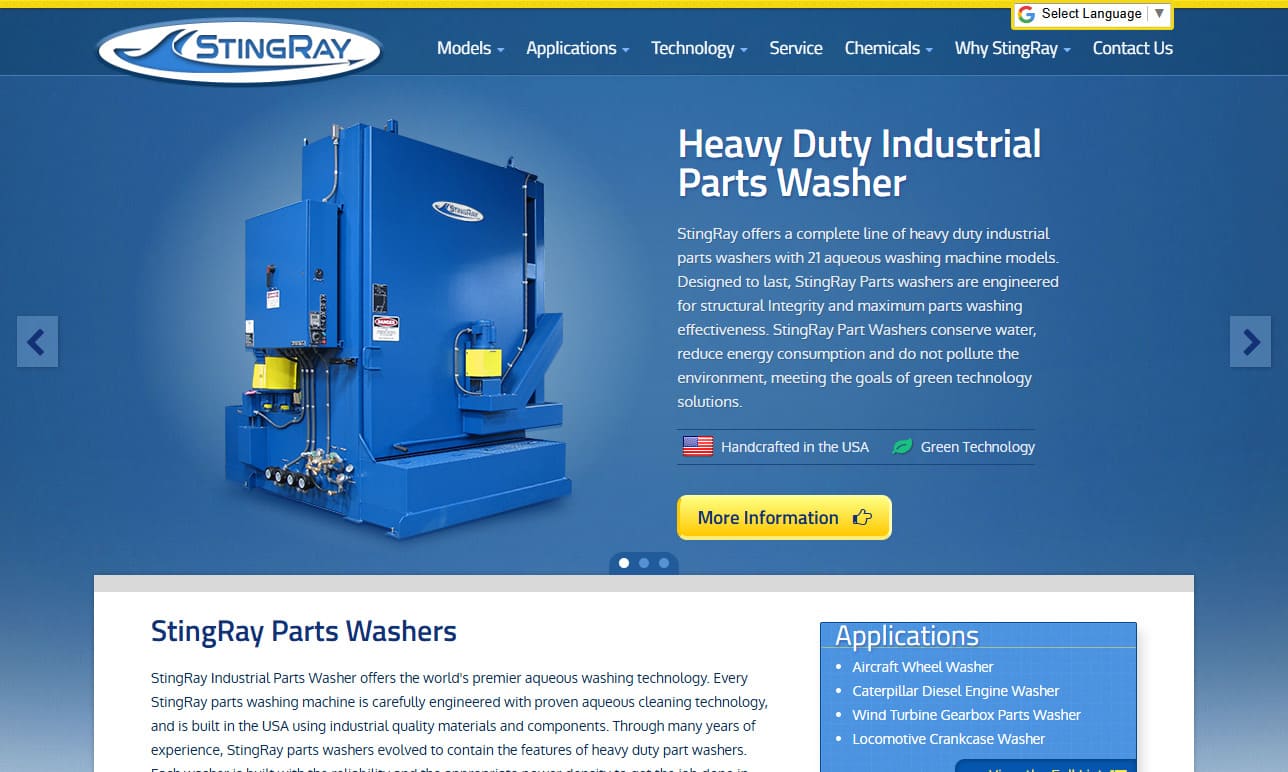
Need help with a parts washer to clean your dirty parts? Contact StingRay to get a quote for an engineered parts washer. StingRay Parts Washer offers a complete solution to your cleaning needs which includes fixturing of your parts, industry approved detergent, engineered parts washer, and the most complete customer service in the industry.



More Drum Washer Manufacturers
What is a Drum Washer?
A drum washer is an industrial cleaning solution specifically designed to clean the interior and exterior surfaces of cylindrical containers such as drums, barrels, and similar vessels. Drum washers are engineered to remove residues, contaminants, chemicals, oils, solvents, and hazardous waste from drums, ensuring they are suitable for reuse, recycling, or safe disposal. These machines are primarily measured by the size they can accommodate, typically in gallons, with common capacities including 30-gallon, 55-gallon, and even larger industrial drums. Drum washers are constructed from durable materials such as stainless steel, fiber, or high-density plastic to withstand repeated use and exposure to harsh cleaning agents.
Industrial drum washers have become essential equipment in a wide range of industries that rely on the storage and transport of bulk liquids, powders, chemicals, and food ingredients. By automating the drum cleaning process, facilities can enhance workplace safety, maintain regulatory compliance, and reduce costs associated with manual cleaning or drum replacement. Whether you are seeking a solution for decontaminating hazardous chemical drums or simply want to streamline your container cleaning workflow, understanding the different types, features, and advantages of drum washers can help you make an informed purchasing decision.

Drum Washer Design and Function
At the core of any effective drum washing system is its unique design, tailored to deliver optimal cleaning results for a variety of container types and contamination levels. Most drum washers utilize a rotary washing mechanism, where the drum is rotated while being sprayed by high-pressure nozzles from multiple angles. This rotary motion, combined with adjustable water pressure, heat, and specialized cleaning agents, ensures thorough removal of residues from both the interior and exterior surfaces.
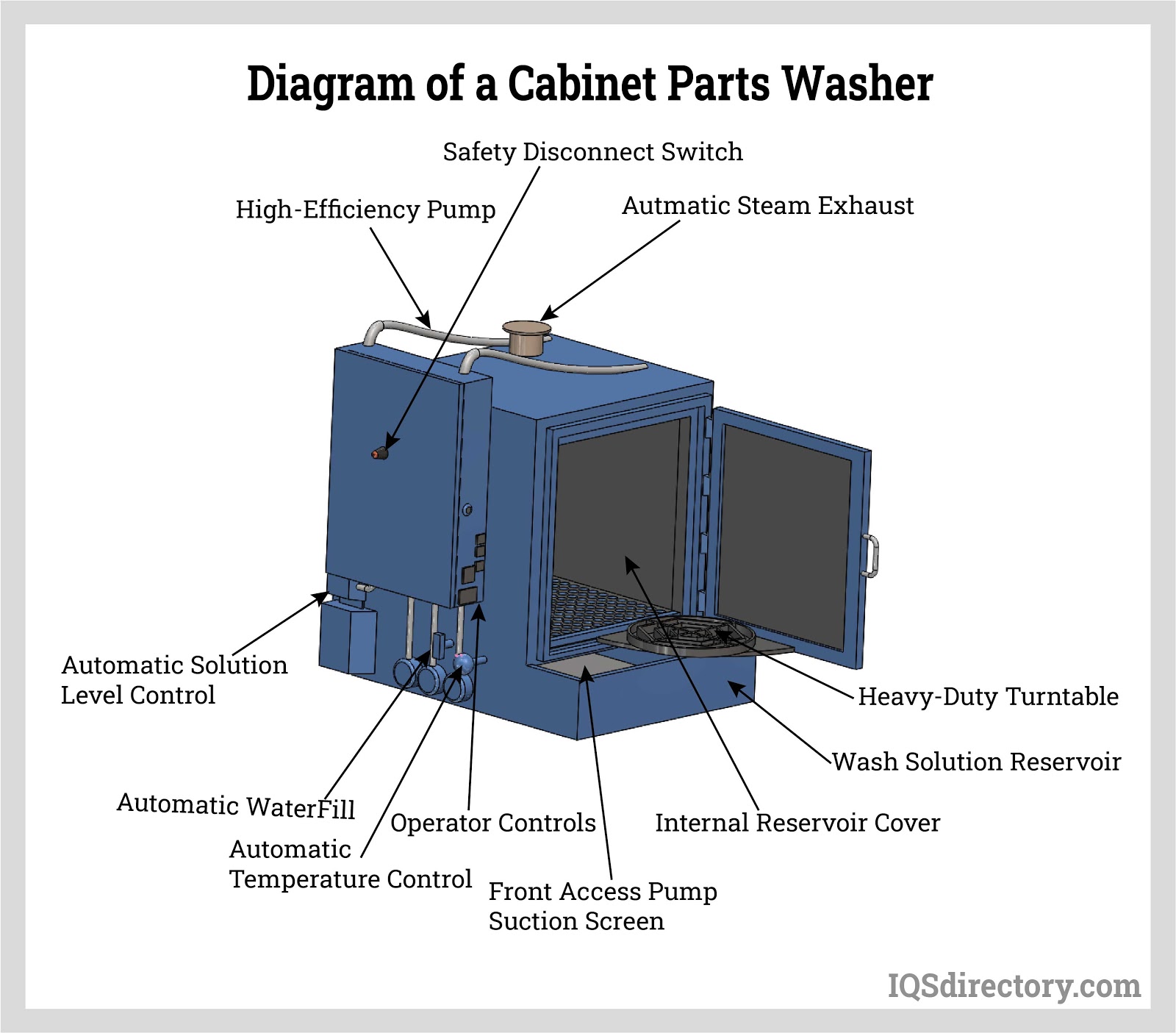
How does a drum washer work? During operation, drums are loaded into a wash chamber or cage. High-pressure pumps, often constructed from corrosion-resistant stainless steel, power an array of strategically positioned nozzles that deliver heated cleaning solutions or water. The cleaning cycle typically consists of several stages: wash, rinse, and sometimes dry. Some models incorporate air knives or hot air drying systems to ensure that drums are completely free of moisture before reuse or recycling.

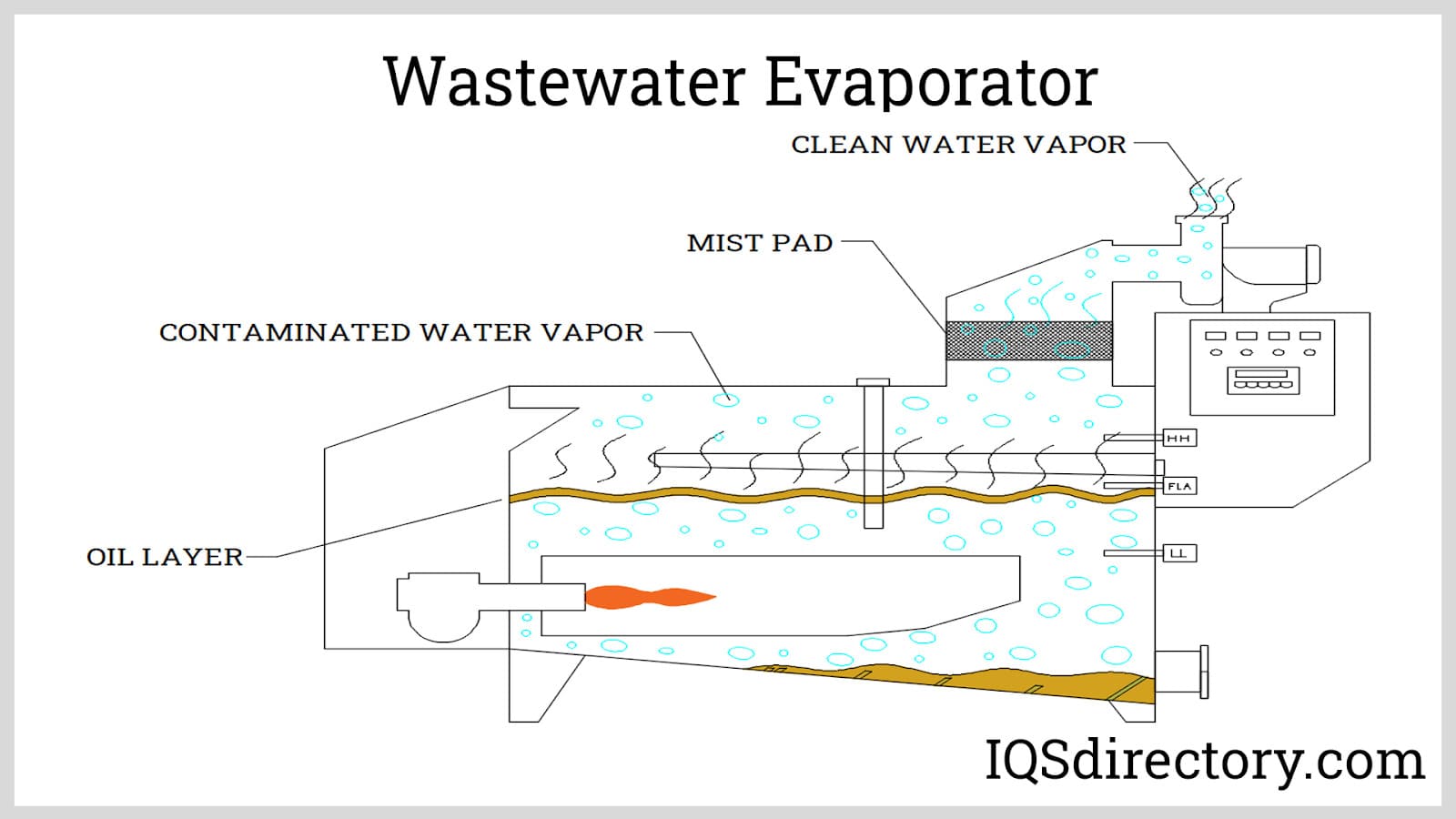
Filtration systems are a critical component of drum washers, helping to separate grime, debris, and hazardous residues from the cleaning solution. This filtration not only extends the life of the cleaning agent but also prevents cross-contamination and supports environmental compliance. For facilities that generate significant waste streams or handle toxic chemicals, advanced filtration and wastewater treatment options may be integrated into the drum washer system.
Drum washer cycle times vary based on the level of contamination, drum size, and selected wash settings. On average, a complete cleaning cycle—from loading to drying—can take between five and fifteen minutes per drum. Industrial drum washers often support automated loading and unloading for high-throughput applications, allowing facilities to clean dozens or even hundreds of drums per shift with minimal operator intervention.
When a drum reaches the end of its useful life, it must be thoroughly cleaned prior to crushing and recycling, especially if it previously contained hazardous or regulated materials. Proper cleaning minimizes the risk of environmental contamination and ensures compliance with local, state, and federal regulations regarding hazardous waste management and drum disposal.
Types of Drum Washers
When selecting a drum washer, it's important to consider the type of material the washer is made from, as this impacts durability, resistance to chemicals, cost, and suitability for specific applications. The main types of drum washers include:
Plastic Drum Washers
Plastic drum washers are valued for their affordability and resistance to corrosion from many mild chemicals. They are popular in non-thermal cleaning applications where exposure to high temperatures is minimal. However, plastic drum washers can deform or warp when exposed to hot water or steam. Surface roughness and odor retention can also be issues, especially for applications involving food or sensitive chemical products.
- Best for light-duty, non-heated cleaning
- Cost-effective for low-risk, non-hazardous materials
- Not recommended for high-temperature or abrasive cleaning cycles
Porcelain Drum Washers
Porcelain-coated drum washers consist of a steel drum base coated with a durable porcelain enamel. This construction offers excellent heat resistance and chemical durability, making porcelain drum washers a traditional favorite in many industrial settings. However, if the porcelain coating chips or cracks, the underlying steel can become exposed to moisture and begin to rust, potentially compromising the cleanliness of the drum and contaminating contents.
- Resistant to high temperatures and many chemicals
- Long-lasting when coating is intact
- Requires careful handling to avoid chipping

Stainless Steel Drum Washers
Stainless steel drum washers are the gold standard for industrial drum cleaning. Stainless steel offers unmatched resistance to corrosion, scratching, and harsh chemicals. These washers are suitable for the most demanding environments, including pharmaceutical, food and beverage, and hazardous waste applications. While they require a higher initial investment, their durability and long operational life make them a cost-effective choice for facilities with heavy drum cleaning requirements.
- Ideal for high-temperature, high-pressure, and caustic cleaning
- Non-reactive surfaces ensure product purity
- Long lifespan and low maintenance requirements
Applications of Drum Washers
Where are drum washers used? Drum washers play a critical role in any industry that relies on the safe storage, handling, and transport of bulk materials. They are essential for maintaining hygiene, preventing cross-contamination, and complying with industry regulations. Drum washers are used to clean not only drums but also a variety of other containers and accessories, including:
- Pails
- Jars
- Barrels
- Lids
- Buckets
Some common industries and sectors that depend on drum washers include:
- Food and beverage processing (sanitizing ingredient drums, syrup barrels, etc.)
- Agriculture (cleaning pesticide, fertilizer, and seed drums)
- Wastewater treatment plants (maintaining chemical dosing drums)
- Petroleum and oil refining (cleaning lubricant and fuel barrels)
- Chemical processing (removing hazardous or reactive residues)
- Hazardous waste management (decontaminating regulated waste containers)
- Paint, coatings, and adhesives manufacturing (removing sticky or stubborn residues)
- Pharmaceutical and biotech industries (ensuring sterility and purity)
- Metal finishing and automotive (cleaning solvent and degreasing tanks)
Drum washers are also widely used in commercial recycling operations, allowing facilities to prepare used drums for safe resale, repurposing, or eco-friendly disposal. In regulated industries, proper drum cleaning is a prerequisite for compliance with OSHA, EPA, and DOT requirements for hazardous materials handling and container reuse.

Benefits and Advantages of Drum Washers
Why invest in an industrial drum washer? Drum washers offer significant advantages for businesses seeking to improve operational efficiency, workplace safety, and regulatory compliance. Here are some of the most compelling benefits:
- Efficient removal of contaminants: Drum washers can remove oils, solvents, chemicals, heavy metals, and biological residues, ensuring containers are safe for reuse or disposal.
- Customizable cleaning cycles: Wash cycle parameters can be tailored for specific contaminants or industry requirements, ensuring consistent and repeatable results.
- Labor savings: Automated drum washers reduce the need for manual cleaning, lowering labor costs and freeing staff for higher-value tasks.
- Consistent quality and precision: Automated systems deliver uniform cleaning results, crucial for pharmaceutical, food, and chemical processing applications.
- Reduces risk of injury and exposure: By automating the cleaning of hazardous or heavy drums, employers protect workers from chemical exposure, repetitive strain, and accidents.
- Supports sustainability and compliance: Efficient use of water and cleaning agents, paired with effective filtration, minimizes environmental impact and meets stringent disposal regulations.
- Integration with existing workflows: Many drum washers can be fed directly from filling lines or process equipment, streamlining material handling and increasing throughput.
- Low maintenance and long lifespan: Durable construction and advanced design features ensure reliability and minimal downtime.
In addition to improving cleanliness and safety, investing in a quality drum washer can extend the useful life of your drums, reduce waste disposal costs, and boost your facility’s overall productivity.
How to Choose the Right Drum Washer for Your Needs
What factors should you consider when selecting a drum washer? The ideal drum washer for your application depends on several key variables. Here are some important considerations to guide your selection process:
- Container size and volume: Are you cleaning standard 55-gallon drums, smaller pails, or a mix of containers? Choose equipment sized for your most common needs.
- Contaminant type and cleaning requirements: Do you need to remove hazardous chemicals, oils, residues, or biological materials? Certain contaminants may require specialized cleaning solutions, higher temperatures, or advanced filtration.
- Throughput and cycle time: How many drums must be cleaned per hour or shift? High-volume operations may benefit from fully automated, conveyor-fed drum washers.
- Material compatibility: Consider the chemical resistance and durability of drum washer materials (stainless steel, plastic, porcelain) in relation to the substances you handle.
- Available utilities: Ensure your facility can supply the necessary water pressure, electrical power, and drainage required by your chosen system.
- Footprint and integration: Will the washer fit within your available space, and can it be integrated with your current workflow or automation systems?
- Compliance and safety features: Look for features like containment, ventilation, and explosion-proof components if dealing with hazardous or flammable substances.
- Ease of maintenance and support: Choose a manufacturer with strong service support, easy-to-source spare parts, and clear documentation.
Ready to find the right solution? Contact leading drum washer manufacturers to request quotes, compare features, and discuss custom requirements for your specific application.
Typical Use Cases: Drum Washer Applications in Detail
How are drum washers used in real-world industrial settings? Here are some common scenarios where drum washer systems deliver exceptional value:
- Hazardous waste management: Drum washers decontaminate waste drums before disposal or recycling, ensuring compliance with environmental regulations and protecting workers from toxic exposure.
- Food and beverage production: Used for sanitizing ingredient drums, flavoring barrels, and syrup containers to prevent cross-contamination and meet strict food safety standards.
- Pharmaceutical manufacturing: Ensures that all containers meet GMP (Good Manufacturing Practice) requirements by removing residues, allergens, and microorganisms.
- Chemical processing plants: Cleans drums used for storing acids, solvents, and reagents, maintaining safe handling and preventing accidental chemical reactions.
- Automotive and metalworking: Removes oils, greases, and metal shavings from solvent barrels and degreasing tanks, supporting safe recycling and reuse.
- Paint and coatings industry: Eliminates stubborn paint, resin, and adhesive residues from shipping containers, reducing disposal costs and environmental impact.
Looking for a drum washer for a specific industry? Use our industrial drum washer directory to search by application, drum size, or cleaning requirement.
Cost Considerations and ROI for Drum Washers
How much does a drum washer cost? The price of a drum washer depends on capacity, material, automation level, and included features such as filtration, drying, and advanced safety options. Entry-level manual drum washers may cost a few thousand dollars, while high-throughput, fully automated drum washer systems with custom integration can reach six figures.
Calculating return on investment (ROI): Drum washers can quickly pay for themselves by reducing labor costs, minimizing downtime, lowering water and chemical usage, and extending the lifespan of reusable containers. Facilities that generate large volumes of drums or handle hazardous substances often find that a purpose-built drum washer is far more cost-effective and sustainable than manual cleaning or frequent drum replacement.
Want to compare drum washer prices? Request a quote from multiple drum washer manufacturers now to find the best value for your facility.
Choosing the Right Drum Washer Manufacturer
To ensure optimal results when purchasing an industrial drum washer, it’s crucial to partner with a reputable, experienced manufacturer. Our comprehensive drum washer manufacturer directory allows you to compare multiple suppliers, view detailed business profiles, and evaluate each company’s expertise, capabilities, and customer service track record.
How to evaluate drum washer manufacturers:
- Review company history, certifications, and references
- Assess available product lines and customization options
- Verify compliance with industry standards (OSHA, EPA, FDA, etc.)
- Consider after-sales support, spare parts availability, and lead times
- Use our website previewer to quickly compare offerings and capabilities
Once you’ve identified potential suppliers, use our streamlined RFQ (Request for Quote) form to contact multiple drum washer manufacturers simultaneously. This helps you efficiently compare pricing, features, warranty terms, and delivery schedules.
Need help selecting the best drum washer manufacturer for your application? Our experts are ready to assist you—contact us today for tailored advice and product recommendations.
Frequently Asked Questions About Drum Washers
- What maintenance is required for a drum washer? Routine maintenance includes cleaning filters, inspecting nozzles and pumps, checking for leaks, and calibrating control systems. Manufacturers typically provide detailed maintenance schedules for optimal performance.
- Are drum washers suitable for hazardous material containers? Yes, many drum washers are specifically designed for hazardous waste drums, with advanced containment, filtration, and safety features to comply with environmental regulations.
- Can drum washers be customized? Absolutely. Leading manufacturers offer custom drum washer solutions tailored to unique container sizes, contamination types, and automation needs.
- What is the lead time for installation? Standard models may ship in a few weeks, while custom or large-scale systems can require several months for design, fabrication, and installation.
- Is operator training required? While basic systems are user-friendly, advanced drum washers with automation or hazardous waste handling features may require operator training to ensure safe and efficient use.
Still have questions about drum washers, industrial parts washers, or container cleaning equipment? Reach out to our team for expert answers and personalized guidance.