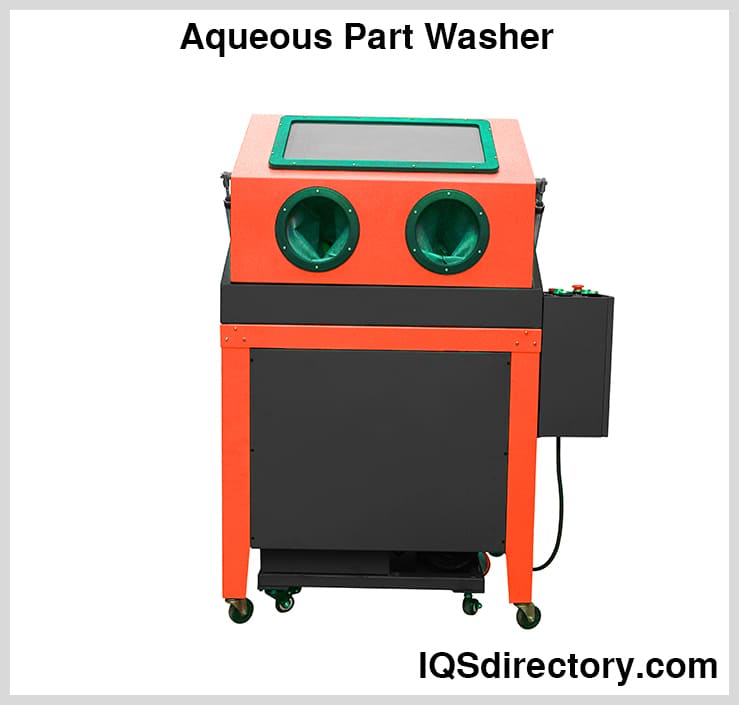
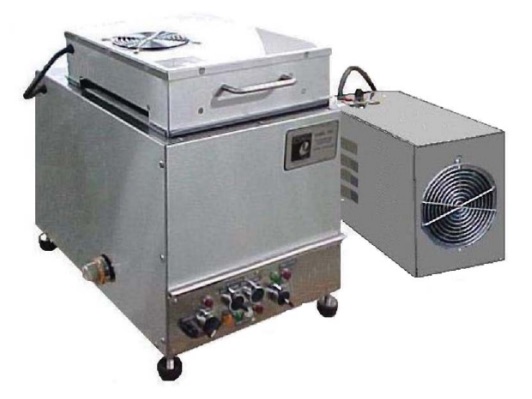
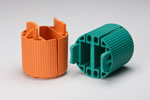
Automatic parts washers are mechanical devices designed to rinse, load, dry, wash, and unload parts with the aid of computer software. Automatic part washers minimize manual labor costs and are faster than manually controlled machines. They can also clean parts in high volumes at a much faster rate. Read More…
Niagara Systems LLC has offered turnkey custom parts washing systems for over 80 years. With our customization capabilities, our parts washing systems stand out from the competition.
Great Lakes Finishing Equipment, Inc. specializes in supplying parts washers for even the most demanding cleaning jobs. Equipment includes table washers, drum washers, aqueous rotary baskets, aqueous belt washing systems, & more. Let our parts washing specialists assist you with your specific washing applications. Contact us today for all of your parts washer needs.
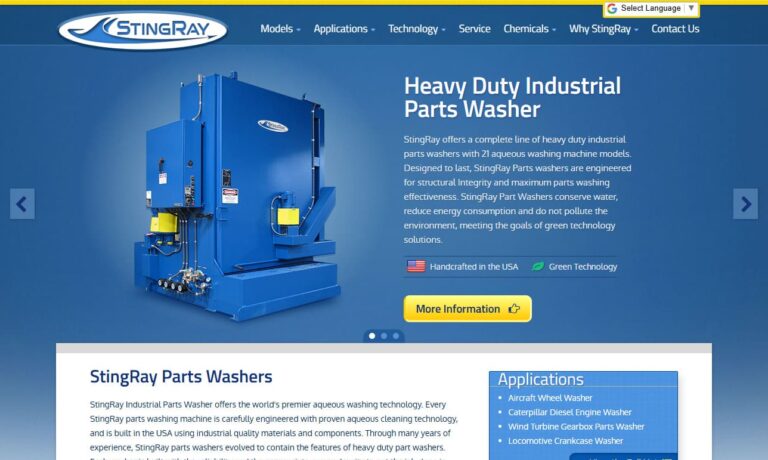
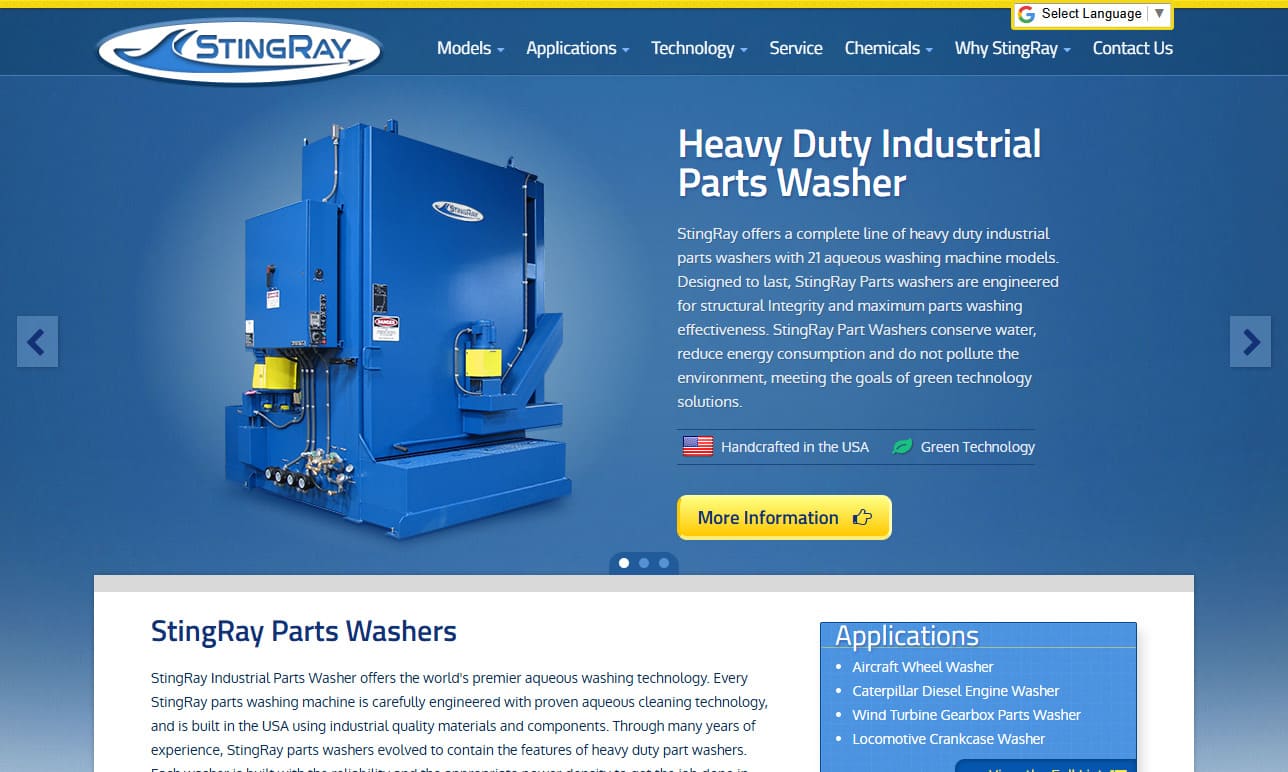
Need help with a parts washer to clean your dirty parts? Contact StingRay to get a quote for an engineered parts washer. StingRay Parts Washer offers a complete solution to your cleaning needs which includes fixturing of your parts, industry approved detergent, engineered parts washer, and the most complete customer service in the industry.



More Automatic Parts Washer Manufacturers
Automatic Parts Washer Design and Function
Automatic parts washers are advanced industrial cleaning systems engineered to remove contaminants, oils, grease, and debris from a wide variety of manufactured parts and components. Whether you’re searching for an industrial parts washer for automotive, aerospace, manufacturing, or medical applications, understanding the core design and function of these machines is essential for optimizing your cleaning process and improving operational efficiency.
All parts washer types—such as spray, agitating, immersion, and rotary drum models—are available in fully or partially automatic configurations. These machines are typically controlled by computer numeric controlled (CNC) systems or custom software platforms, enabling precise management of critical cleaning parameters. With automation, users can pre-program settings for heat, cycle speed, cleaning solution concentration, pressure, flow rate, and load size, ensuring consistent and repeatable cleaning results.
Automatic parts washers are designed to move parts seamlessly through multiple cleaning stages, including wash, rinse, and dry. This automated workflow minimizes manual intervention, reduces labor costs, and maximizes throughput. For buyers evaluating washing solutions, it’s important to note that every aspect of the process—temperature, pressure, cycle duration, chemical dosing, and throughput—can be tailored to specific application requirements.
Semi-automatic parts washers offer a hybrid solution, where some stages are automated, but manual loading or unloading may be required—often with the assistance of conveyor belts or material handling systems. This can be ideal for facilities with variable batch sizes or where certain process steps demand operator oversight.
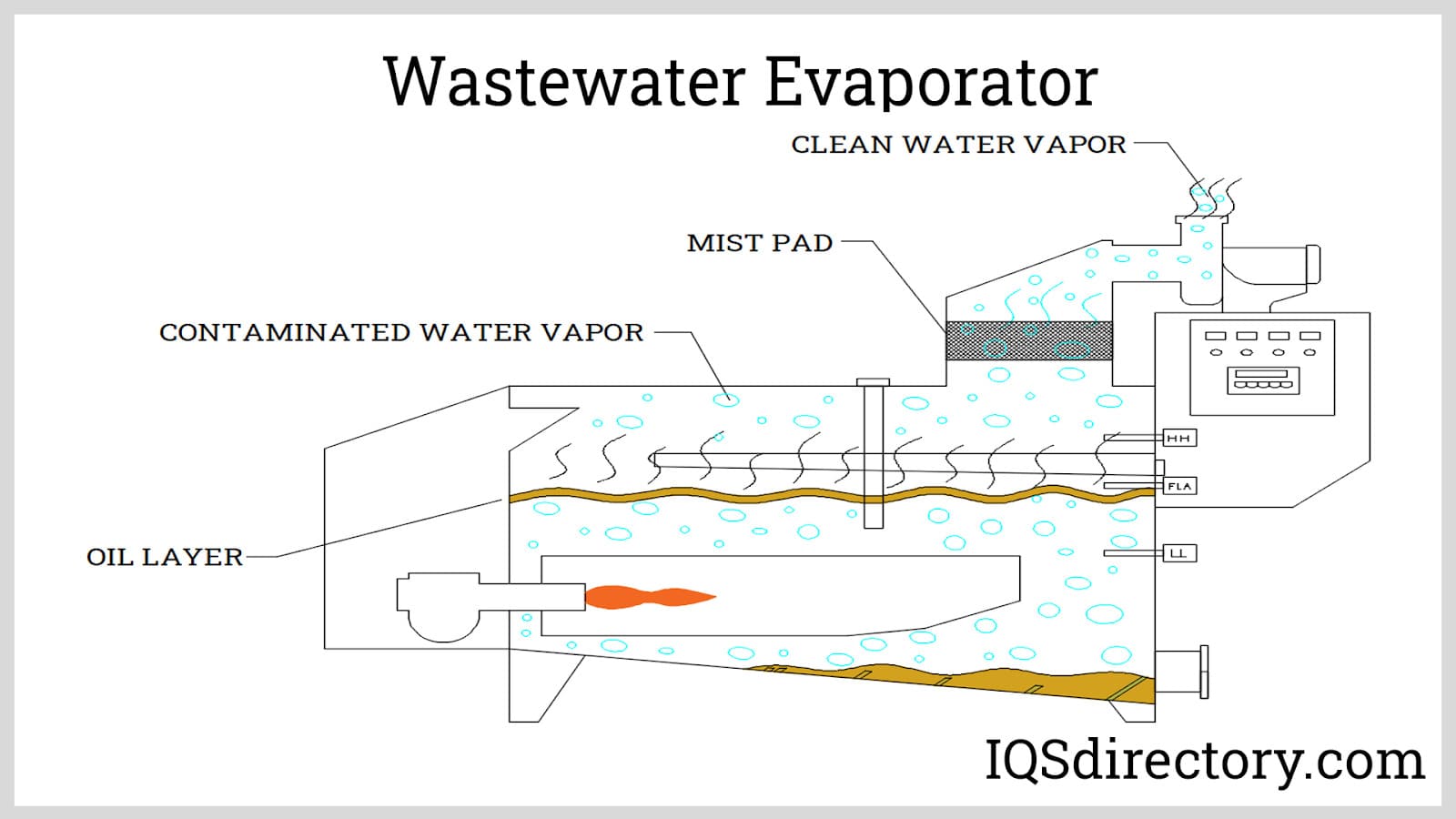
Environmental responsibility is another key advantage. Most automatic part washers are equipped with integrated fluid recycling systems and advanced filtration units to reduce solvent use and minimize waste. This not only lowers operational costs, but also aligns with sustainability initiatives and regulatory requirements for waste management. In addition, washers utilizing CNC controls typically feature storage units and microprocessors for data logging, traceability, and predictive maintenance.

Many automatic parts washing machines are designed with computer-aided design (CAD) software integration, allowing for custom cleaning cycles and seamless communication with other automated production equipment. This digital connectivity is especially valuable in Industry 4.0 environments, where data-driven decision-making and remote monitoring are becoming standard practice.
What are the key benefits of automatic parts washers? These systems significantly reduce manual labor, minimize solvent and chemical usage, and deliver high-speed, high-quality cleaning for complex or high-volume production lines. Their precise control and repeatability provide superior cleanliness and surface preparation, resulting in improved product quality, longer equipment life, and better compliance with industry cleanliness standards.
Are you looking for ways to streamline your cleaning process or meet rigorous industry requirements? Automatic parts washers can be tailored to your specific needs, whether you’re targeting aerospace-grade precision or automotive-scale throughput.
Types of Automatic Parts Washers
Selecting the right automatic parts washer is crucial for maximizing efficiency and achieving the desired cleanliness level. Let’s explore the most common types of automatic washers and their typical use cases, so you can match your selection to your industry and application needs.
Agitated Immersion Washers
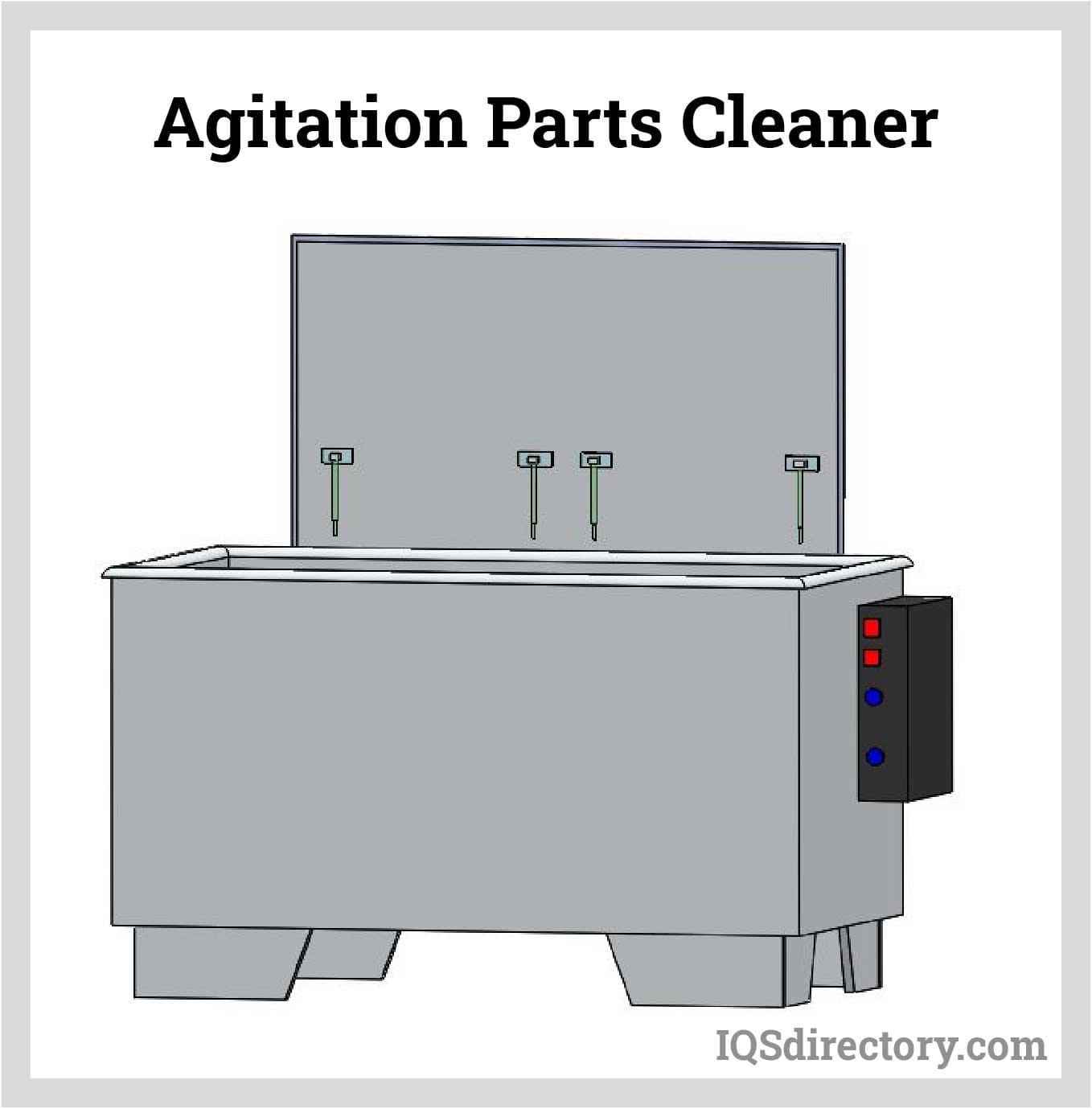
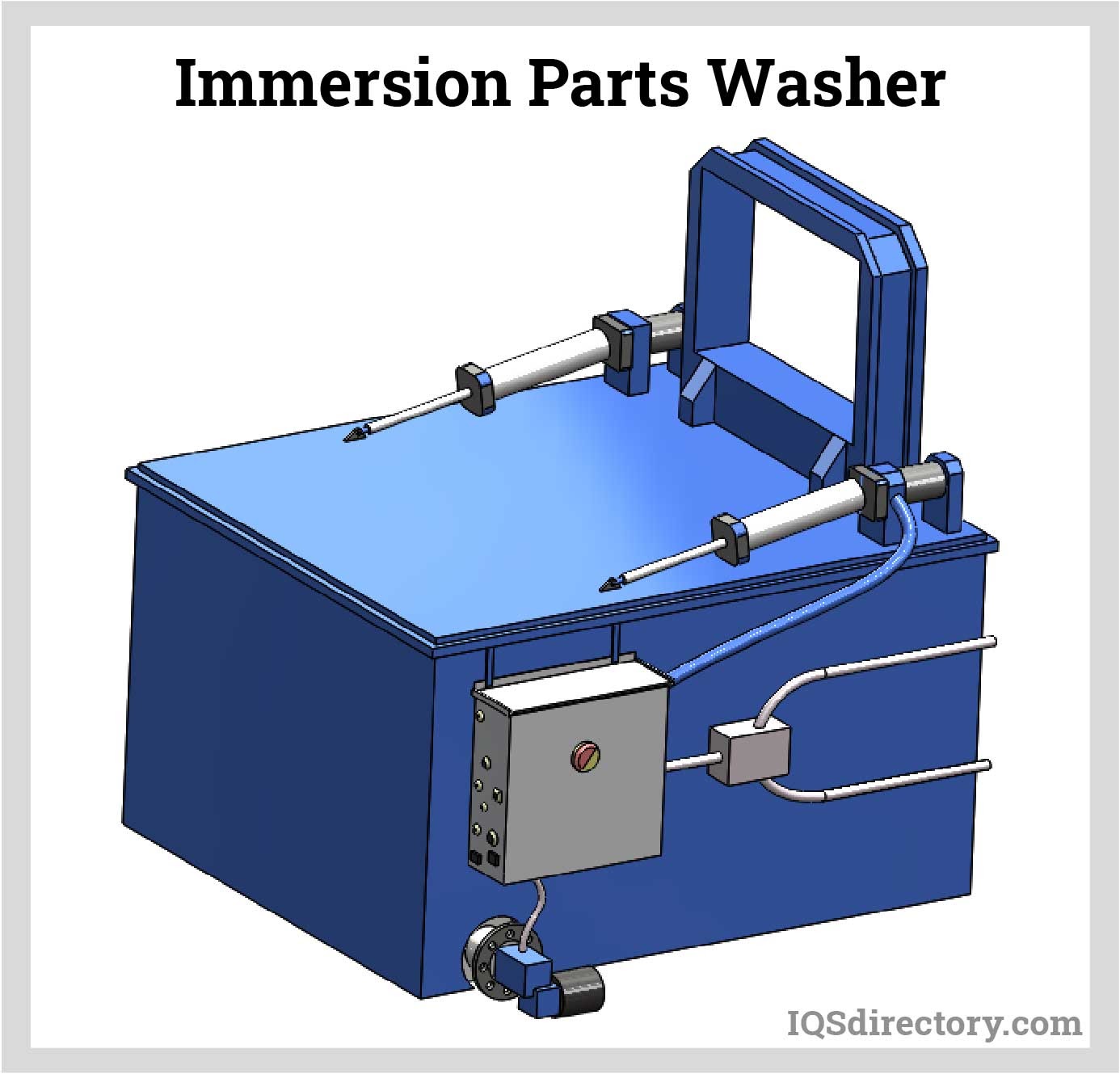
Agitated immersion parts washers are ideal for removing tough contaminants such as rust, carbon, machining chips, oil, or buffing compounds from complex or intricately shaped components. These washers immerse parts in a cleaning solution, then use mechanical agitation—such as oscillation, ultrasonic vibration, or hydraulic turbulence—to dislodge stubborn debris. In advanced models, multiple tanks perform sequential operations, including pre-wash, ultrasonic cleaning, rinsing, and drying, ensuring thorough decontamination.
Learn more about immersion parts washers and their applications in industries such as aerospace, automotive, and precision manufacturing.

Spray Cabinet Washers
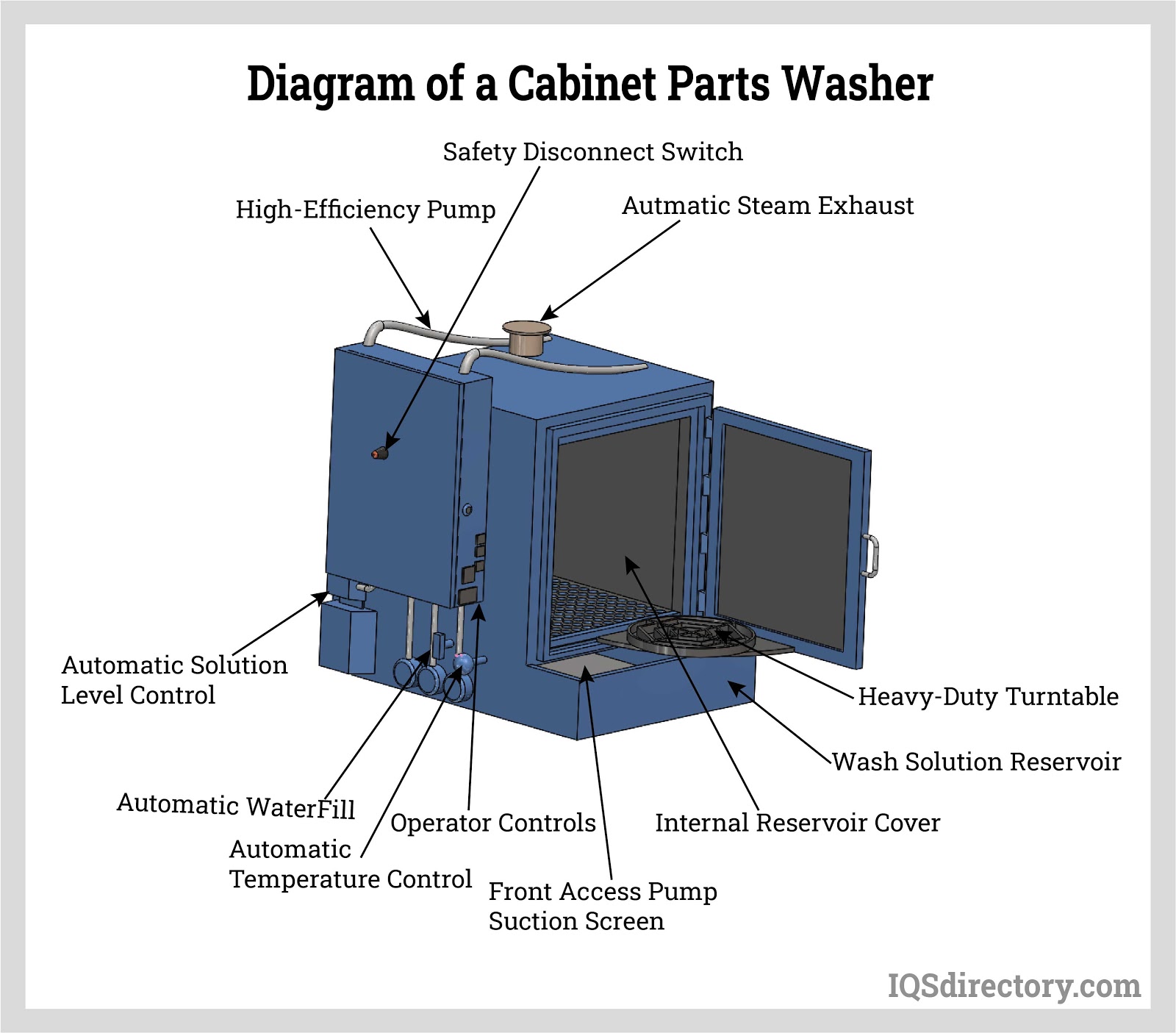
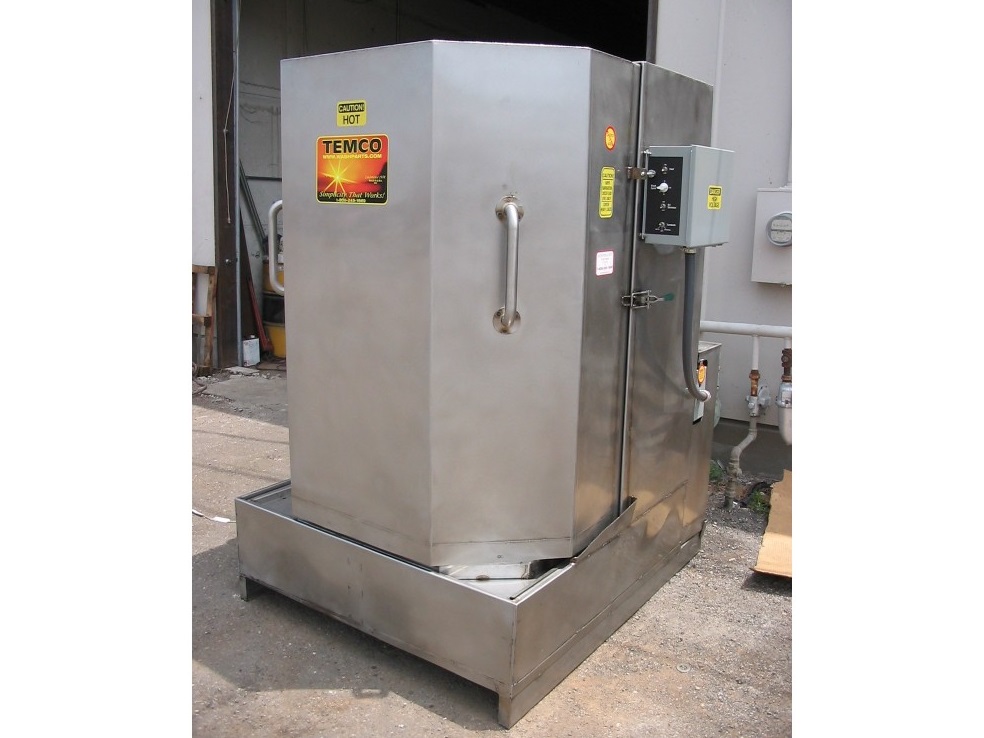
Spray cabinet parts washers are batch-processing machines that use high-pressure jets of heated cleaning solution to remove oil, grease, and particulate matter from parts. Available in top-loading or front-loading configurations, these cabinets feature rotating baskets or tables to maximize coverage and ensure uniform cleaning. The spray manifold design can be customized to handle various part sizes, shapes, and soil loads, making them popular in automotive, manufacturing, and maintenance facilities.
- Top-loading spray cabinets: Suited for smaller parts, tools, and maintenance shops.
- Front-loading spray cabinets: Accommodate larger or heavier components, ideal for industrial production environments.
Common designs include roundtable and retractable spray systems, which increase versatility and throughput for high-mix or high-volume applications.
Conveyor Parts Washers
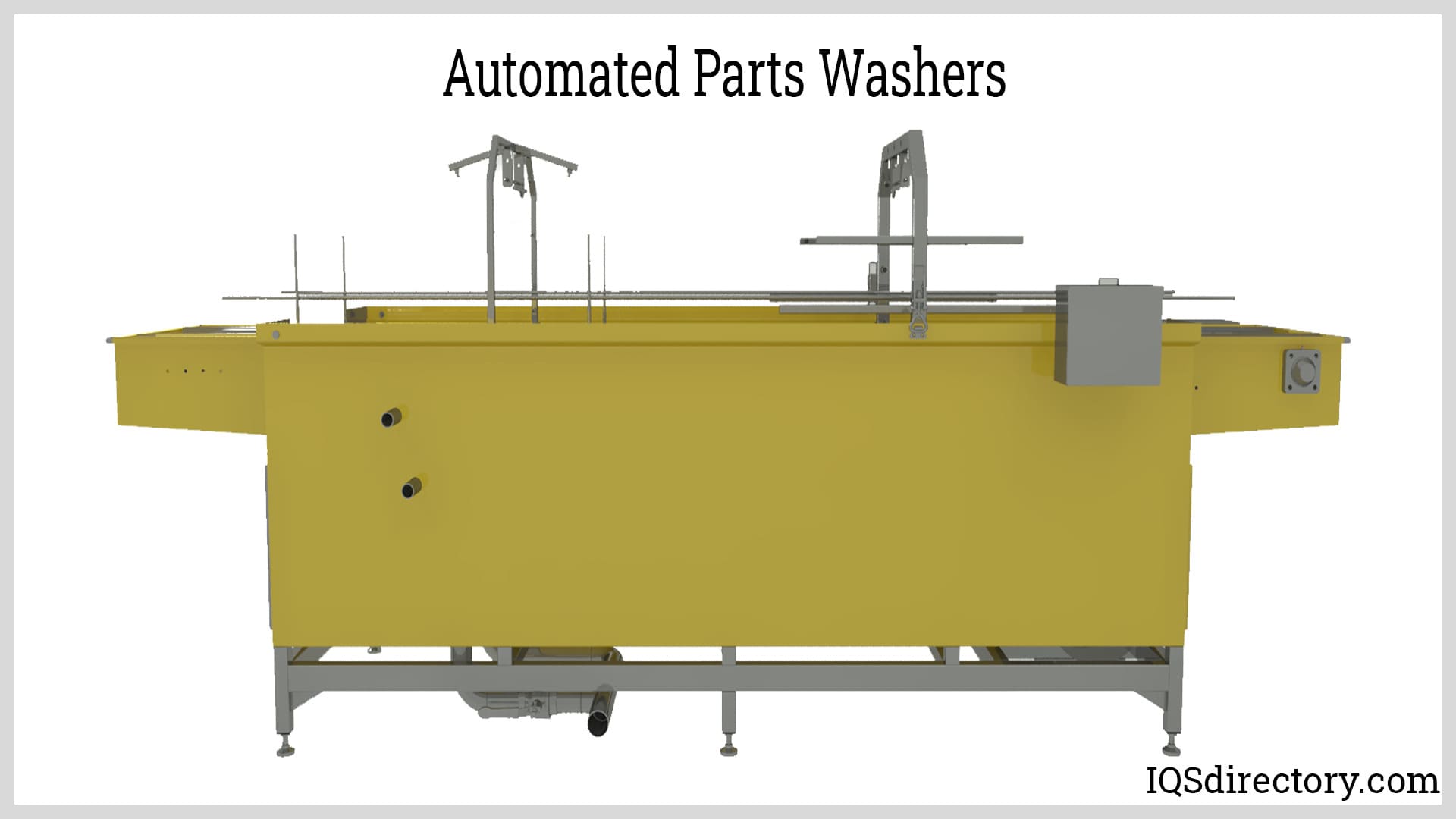
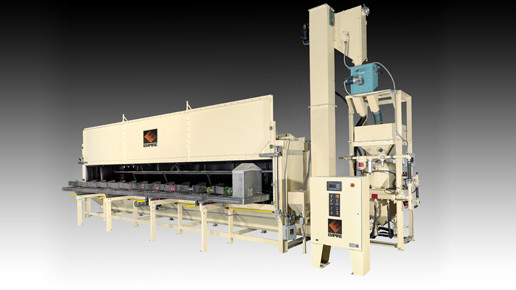
Conveyor parts washers are continuous, in-line systems optimized for high-volume, automated cleaning operations. These machines integrate multiple stages—washing, rinsing, drying, and sometimes sealing—within a single, streamlined process. Conveyor washers are especially popular in automotive manufacturing, electronics assembly, and heavy equipment production, where they reduce manual handling and boost productivity.
- U-bend conveyor washers: Save floor space and allow for recirculation of parts.
- In-line conveyor washers: Ideal for seamless integration with assembly lines or automated production cells.
- Monorail conveyor washers: Used for cleaning oversized or irregularly shaped components, such as frames or housings.
With fully automated transitions between stages, conveyor parts washers provide reliable, repeatable cleaning for large-scale industrial operations.
Rotary Drum Parts Washers
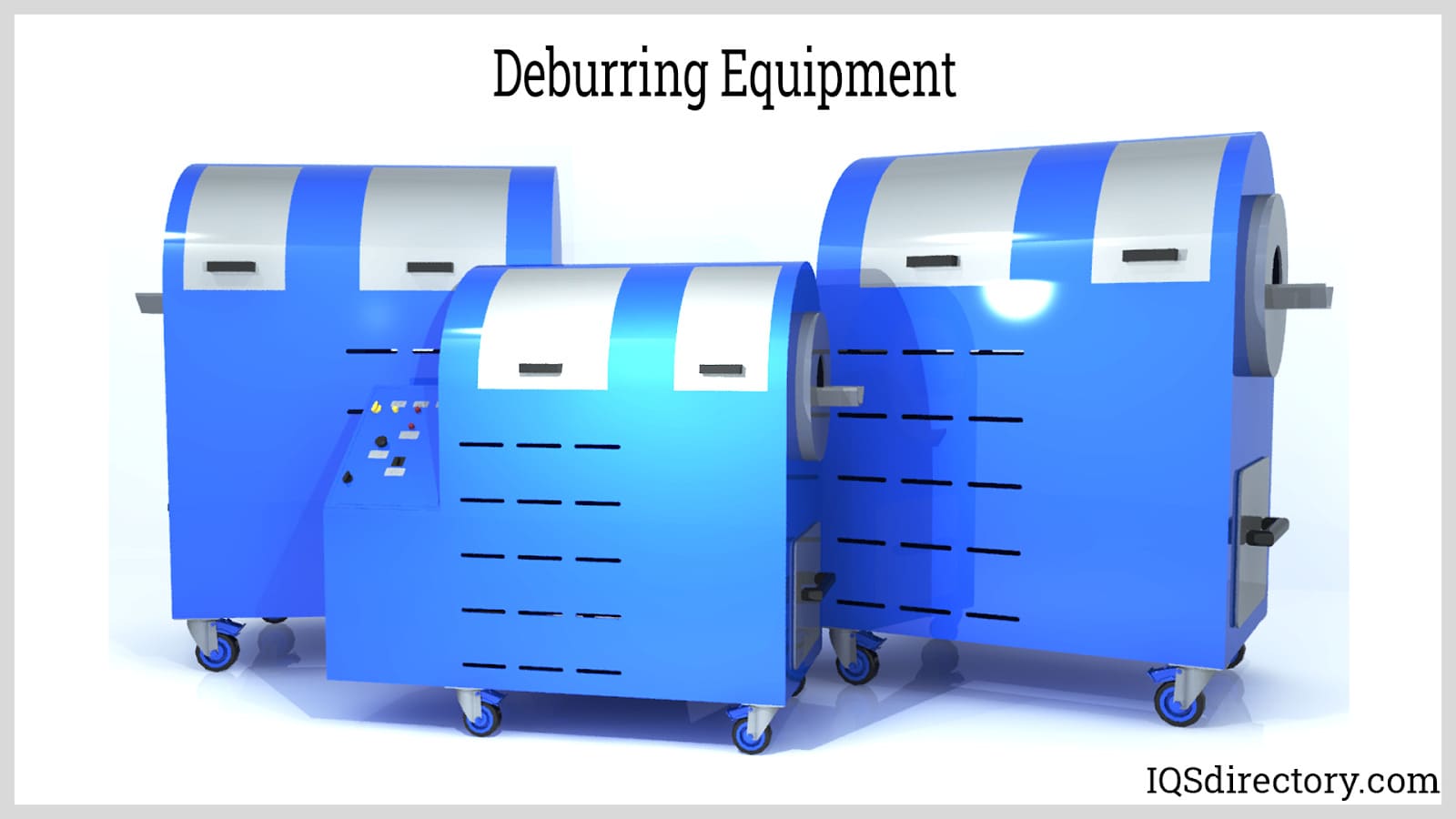
Rotary drum parts washers are designed for bulk cleaning of small or fastener-type components. Parts are loaded into a rotating drum that tumbles and agitates them while spraying or immersing them in cleaning solution. This ensures all surfaces are exposed to the cleaning medium, making rotary drum washers ideal for nuts, bolts, screws, and stamped components.

Ultrasonic Parts Washers
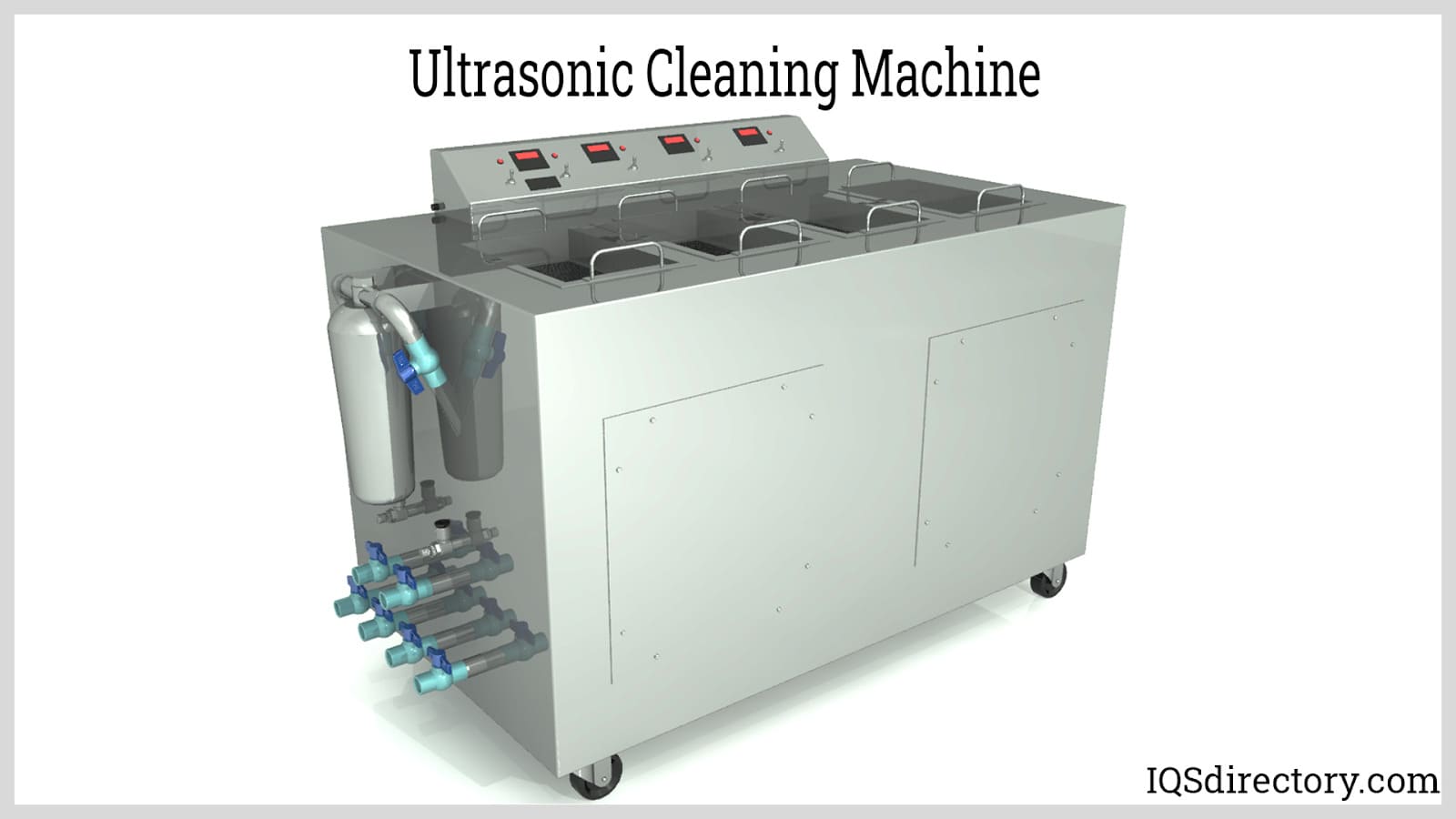
Ultrasonic parts washers use high-frequency sound waves to generate microscopic bubbles in the cleaning solution. These bubbles implode against part surfaces, creating intense scrubbing action that removes contaminants from even the most intricate geometries and blind holes. Ultrasonic washers are critical for cleaning precision parts in medical device manufacturing, aerospace, electronics, and optics industries.
- Want to know if ultrasonic cleaning is right for your application? Contact a specialist to discuss your specific parts and cleanliness requirements.
Application of Automatic Parts Washers
Automatic parts washers are indispensable in sectors that demand consistently clean, contaminant-free components. These machines are utilized to remove grease, carbon deposits, machining chips, dust, abrasive residues, cutting fluids, and other contaminants from both metallic and non-metallic parts. Here are some of the most common industry applications:
- Automotive Manufacturing: Cleaning engine blocks, transmission housings, gears, bearings, and other drivetrain components before assembly or remanufacturing. Essential for removing production residues, road grime, and oil.
- Aerospace and Defense: Precision cleaning of turbine blades, hydraulic system parts, fasteners, and flight-critical components to meet stringent industry cleanliness standards.
- General Manufacturing: Deburring, degreasing, and preparing metal and plastic parts for finishing operations such as painting, plating, or coating.
- Medical and Pharmaceutical: Sterilizing and sanitizing surgical instruments, laboratory glassware, and implantable devices to comply with FDA and ISO cleanliness requirements.
- Recycling Facilities: Cleaning bottles, drums, totes, and plastic containers to ensure safe reprocessing into new products.
- Hardware Production: High-volume cleaning of screws, bolts, fasteners, and hand tools.
- Rail, Marine, and Heavy Equipment: Removing heavy oils, paints, and scale from large components and machinery.
Are you exploring automatic parts washers for a specific application? Contact our experts to discuss your parts, contaminants, and regulatory requirements.
Advantages of Automatic Parts Washers
Investing in an automatic parts washer delivers a wide range of operational, financial, and environmental benefits. Here’s how these systems can add value to your facility:
- Labor Savings: Automation reduces manual handling and operator intervention, freeing up staff for higher-value tasks and improving workplace safety.
- Consistent Cleaning Quality: Pre-programmed cycles and precise parameter control ensure repeatable, high-quality results—critical for industries with strict cleanliness standards.
- Reduced Chemical and Water Usage: Integrated filtration and recycling systems minimize consumption of solvents, detergents, and water, lowering operational costs and supporting sustainability.
- Space Efficiency: Many models are compact, integrating multiple cleaning stages into a single footprint and saving valuable floor space.
- Process Integration: Modern parts washers seamlessly connect with conveyor systems, robotic loaders, and data collection software, supporting lean manufacturing and Industry 4.0 initiatives.
- Versatility and Customization: Wide range of models, configurations, and optional features (e.g., ultrasonic, vapor degreasing, hot air drying) allow you to tailor your washer to your specific parts, soils, and throughput requirements.
- Regulatory Compliance: Automated documentation and process control facilitate compliance with ISO, ASTM, and industry-specific cleanliness mandates.
- Improved Equipment Life: Clean parts reduce wear and tear on downstream equipment, minimizing unplanned downtime and maintenance costs.
Unsure how an automatic parts washer could impact your bottom line? Request a cost-benefit analysis or ask for a demonstration to see the advantages in action.
Buyer’s Guide: How to Choose the Right Automatic Parts Washer
Selecting the best automatic parts washer for your facility requires careful consideration of several key factors. Here’s what to evaluate when comparing models and manufacturers:
- Type of Parts: Consider the size, shape, material, and complexity of the components you need to clean. Are they small and intricate, large and heavy, or a mix?
- Contaminants: Identify the types of soils to be removed—oil, grease, metal chips, carbon, paint, or biological residues. Some washers are tailored to specific contaminants.
- Throughput Requirements: Estimate your daily or hourly cleaning volume. High-volume production lines may require conveyor or rotary drum washers, while batch operations may suit cabinet or immersion models.
- Cleanliness Standards: Determine if you must meet specific cleanliness criteria, such as ISO 16232 (automotive), ASTM G93 (aerospace), or medical sterilization standards.
- Facility Constraints: Assess your available floor space, utility connections (electricity, water, compressed air, natural gas), and ventilation needs.
- Integration Capabilities: Consider if you need to connect your washer to conveyors, robotic arms, or data management systems for full process automation.
- Budget: Balance upfront investment with operating costs, maintenance needs, and long-term savings from labor, chemical, and downtime reductions.
- Environmental and Safety Compliance: Ensure your washer complies with local and national regulations concerning chemical handling, waste disposal, and emissions.
Need help narrowing down your options? Use our interactive selection guide or contact our technical advisors for personalized recommendations.
Choosing the Right Automatic Parts Washer Manufacturer
When investing in an automatic parts washer, choosing a reputable manufacturer is vital to ensure product quality, support, and long-term value. Here’s how to identify the best supplier for your needs:
- Experience and Specialization: Review the manufacturer’s track record in your industry or with your specific part types. Some companies specialize in automotive, others in aerospace, medical, or general industrial cleaning.
- Customization and Engineering Support: Can the manufacturer tailor solutions to your unique requirements? Do they offer in-house design, CAD modeling, or process validation?
- After-Sales Support: Look for comprehensive support, including installation, training, preventative maintenance, and access to spare parts.
- Certifications and Compliance: Confirm that the manufacturer’s products meet all relevant ISO, CE, UL, or industry-specific certifications.
- Customer Reviews and Case Studies: Explore testimonials, case studies, or third-party reviews to gauge real-world performance and customer satisfaction.
- Warranty and Service Agreements: Understand available warranty options and service contracts to protect your investment.
To ensure you have the most productive outcome when purchasing an automatic parts washer from an automatic parts washer manufacturer, it is important to compare several companies using our comprehensive directory of automatic parts washer manufacturers. Each automatic parts washer manufacturer has a detailed business profile page highlighting their areas of experience and capabilities, along with a contact form to directly communicate with the manufacturer for more information or request a quote.
Review each automatic parts washer business website using our proprietary website previewer to quickly learn what each company specializes in. Then, use our simple RFQ form to contact multiple automatic parts washer companies with the same form and obtain competitive quotes.
Frequently Asked Questions About Automatic Parts Washers
- What types of cleaning solutions are used in automatic parts washers?
Most washers use aqueous-based detergents, but some applications require solvents, alkaline cleaners, or specialty chemicals—always verify compatibility with your parts and environmental policies. - How do I maintain an automatic parts washer?
Regular maintenance includes checking fluid levels, inspecting filters and nozzles, cleaning tanks, and calibrating control systems. Many manufacturers offer preventative maintenance plans. - Can automatic parts washers handle mixed loads?
Yes, but for optimal results, group parts by material and soil type, and consult your manufacturer for cycle recommendations. - Are there energy-efficient or eco-friendly models?
Many modern washers feature energy-saving heaters, variable-frequency drives, closed-loop water recycling, and low-emission designs. - What should I do if my parts have delicate surfaces or electronics?
Consult with your manufacturer about ultrasonic or low-pressure spray options, and verify compatibility with sensitive materials.